
RESTORING GILL TRAIL #610
Gill Trail Final Report
October 30, 2025
Background:
In 2025, Rocky Mountain Field Institute (RMFI) began work under a multi-year agreement with the United States Forest Service (USFS) to complete trail repairs and improvements along the National Forest System Trail (NFST 610), the Gill Trail. Funding for this project was obtained and provided by Trout Unlimited Cutthroat Chapter. Project objectives include reconstructing existing trails and restoring degraded areas along Gill Trail to increase sustainability, reduce erosion, and improve trail safety for the public. Restoration of the old social trail sections (user-created, nonsystem trails) will occur throughout the project area and incorporate tactics to reduce erosion and help revegetate the area.
Schedule:
Project work for 2025 was accomplished over 16 days, starting August 27 and concluding September 17. The five-person RMFI crew spent two 8-day hitches working 10-hour days. RMFI hosted two volunteer days during the project. A total of 18 volunteers contributed 102 volunteer hours for an estimated value of $3,708.72.
2025 Work Accomplishments
705 linear feet of trail corridor maintained
37 rock steps built
30 square feet of timber retaining wall built
129 square feet of rock rubble wall built
1,244 linear feet of social trail restored
13 check dams built
4 tons of rock moved
Work Summary:
The approved trail work for 2025 focused on addressing severe degradation of NFST 610 and river access connector trails. Trail maintenance remained within 100’ of the current trail corridor and along the South Platte River Corridor. RMFI completed improvements to a connector trail that descends steeply from Gill Trail to the river. This connector trail is frequented by anglers and hikers accessing the river. The trail tread had become entrenched in many places. Erosion and damage to in-trail features and rock steps were also prevalent. RMFI installed structures to improve the trail to a more sustainable grade and to prevent further erosion. These structures included rock steps, a timber retaining wall, a rock rubble wall, and check dams. Another significant priority for 2025 was the obliteration of an unsustainable fall line social trail in this area. Volunteers helped with a variety of tasks including moving rock and material, social trail restoration, tread maintenance and building rock steps. Trout Unlimited Cutthroat Chapter participated in both volunteer days (see figures 10-13).
Social Trail Restoration
RMFI obliterated and reclaimed a 1,244 linear foot fall line social trail that descended a steep slope from the designated trail to the river. A two-tier log retaining wall was constructed at the upper entrance to the social trail to block access and to delineate the designated trail (see figure 1). Slash and duff were applied to disguise the social trail (see figure 2). Log check dams were installed to reduce erosion in entrenched areas. A 10’ section of buck and rail fencing was constructed at the lower end of the trail to block access (see figure 3). See figure 4 for a map of the social trail restoration sites.
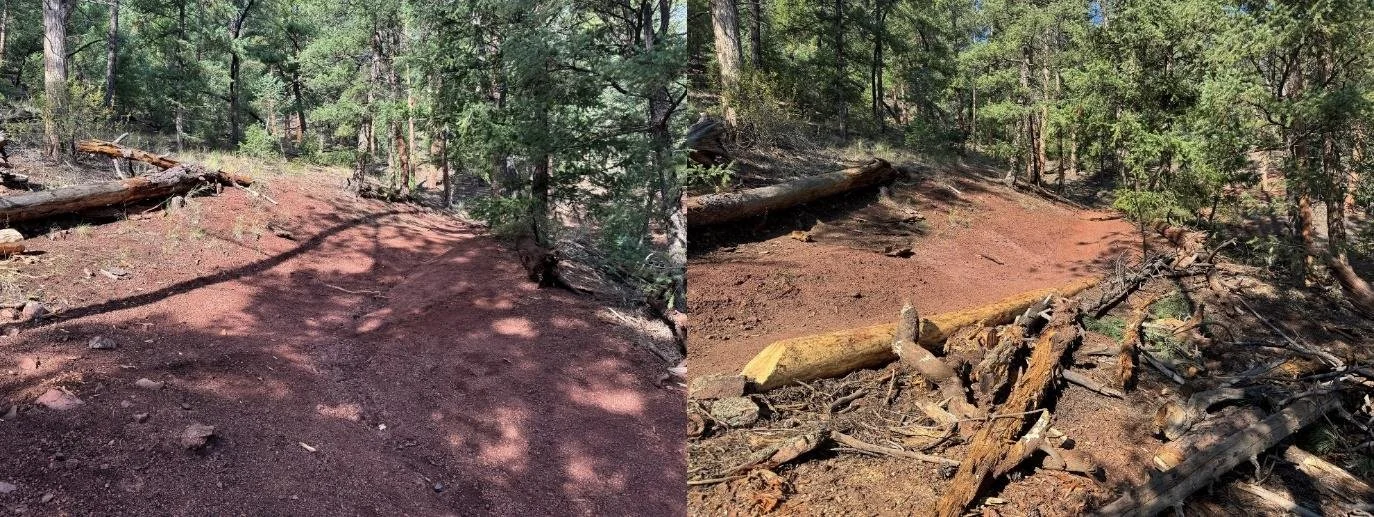
Figure 1: Before (left) and after (right) of log retaining wall and top of social trail closure.
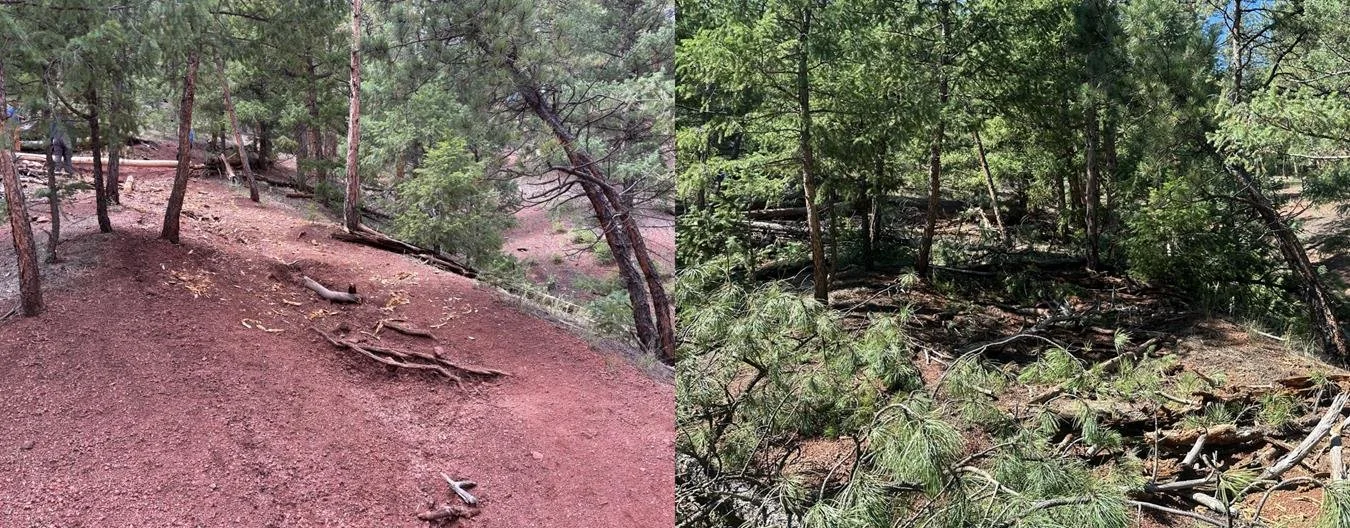
Figure 2: Before (left) and after (right) of social trail restoration. 3
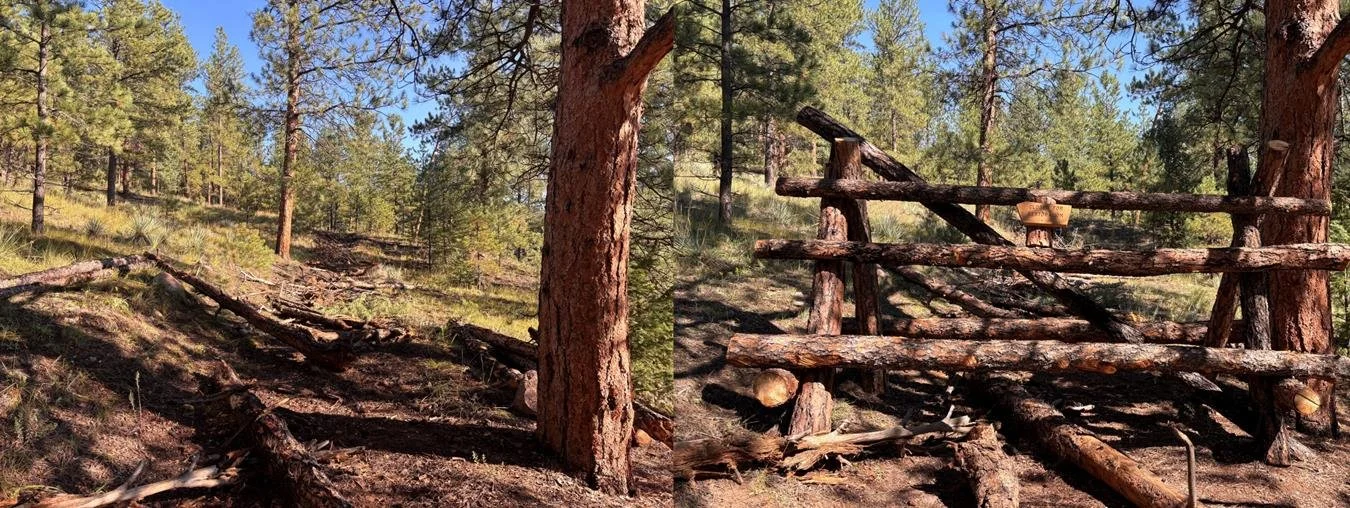
Figure 3: Before (left) and after (right) of new buck and rail fence.
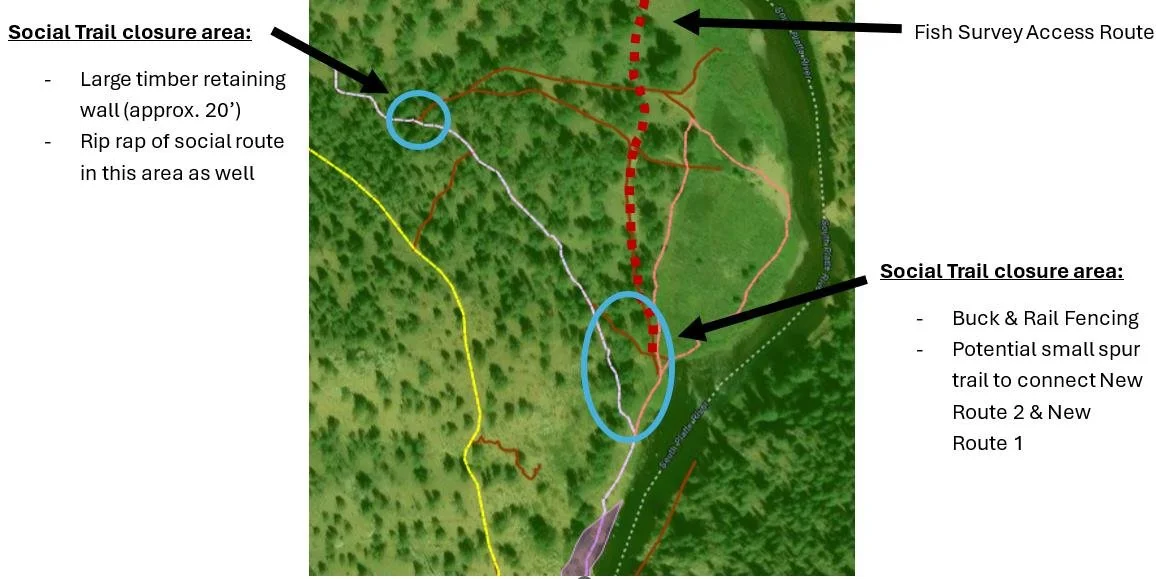
Figure 4: Map showing social trail (brown line) and locations of buck and rail and retaining wall.
Trail Maintenance
RMFI built a total of 37 rock steps along Gill Trail. Many of the rock steps that were already in place along the trail were undercut and had an uncomfortably high rise to step on. Trail users were walking around the steps which was contributing to trail braiding and continuous erosion issues. Rock for building new steps was scarce in this area, so the old steps were rebuilt and incorporated into the new sections of steps (see figures 5 and 6). Additionally, a rock rubble wall was constructed to prevent hikers from cutting straight down the slope at the top of the trail. General tread maintenance, drain maintenance, and corridor clearing were also completed along the trail (see figure 7). RMFI refined an intersection where the designated trail forks with a small social trail that goes down to the water. RMFI built a rock wall to delineate the designated trail, closed one of the trail braids, refined the trail tread and backslope, and removed tree limbs that were blocking the trail. Several stone steps were also built at the intersection (see figure 8). See figure 9 for a map of the area. 4
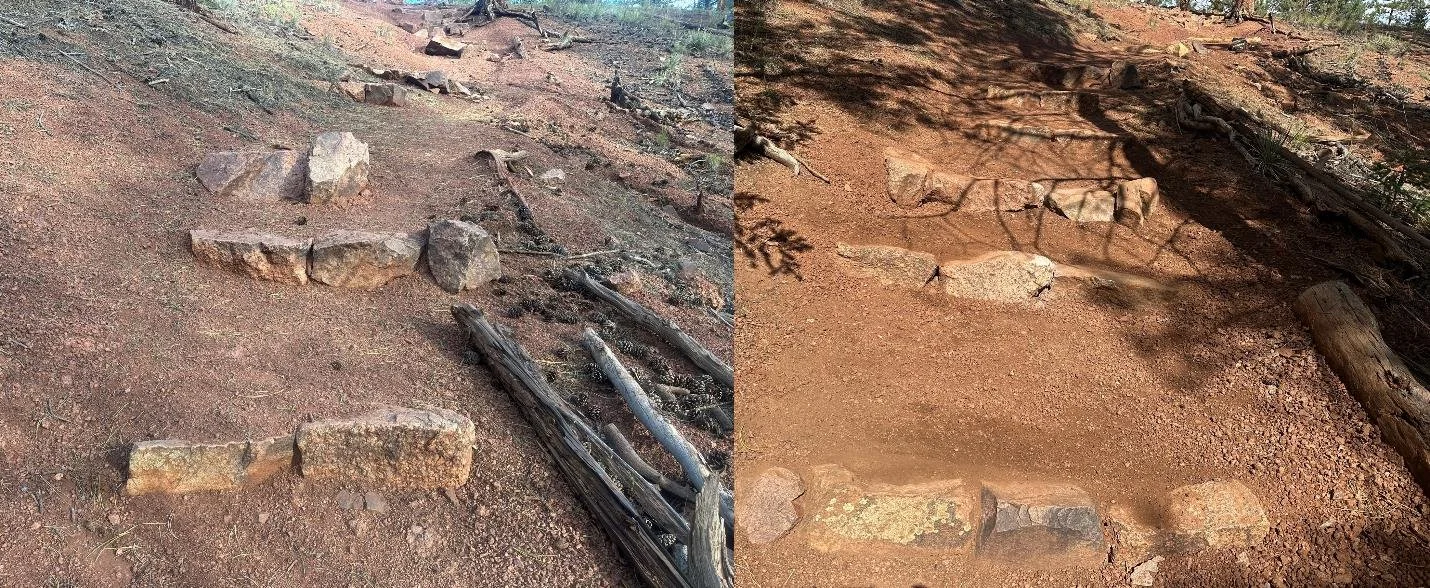
Figure 5: Before (left) and after (right) of rock steps.
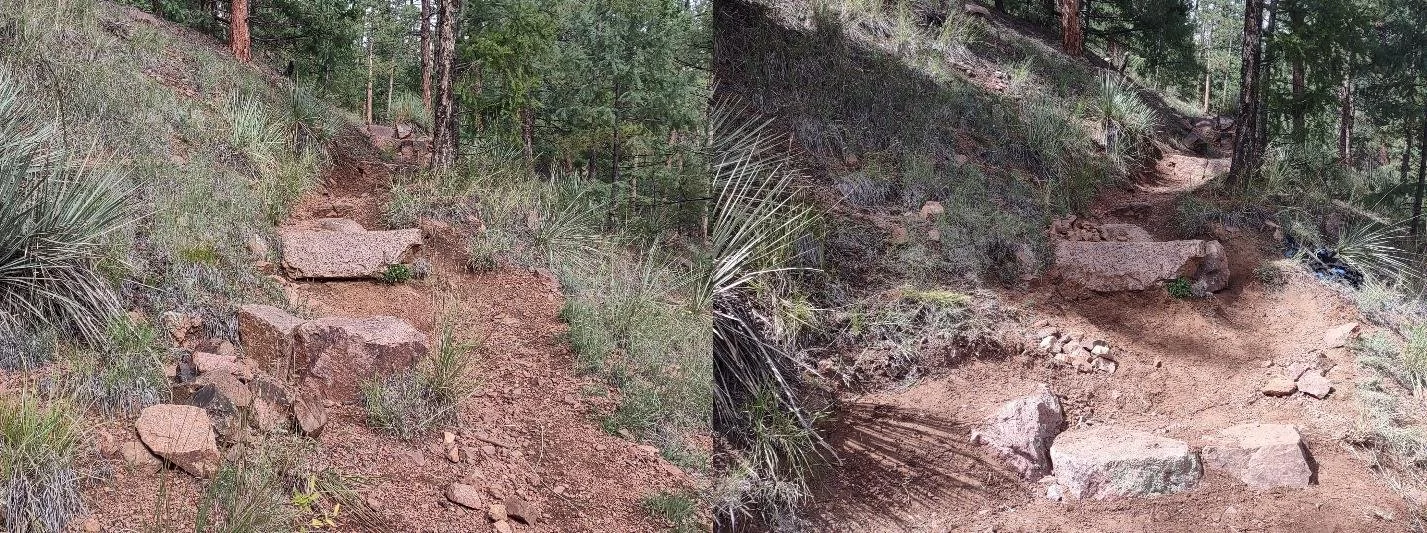
Figure 6: Before (left) and after (right) of rock steps.
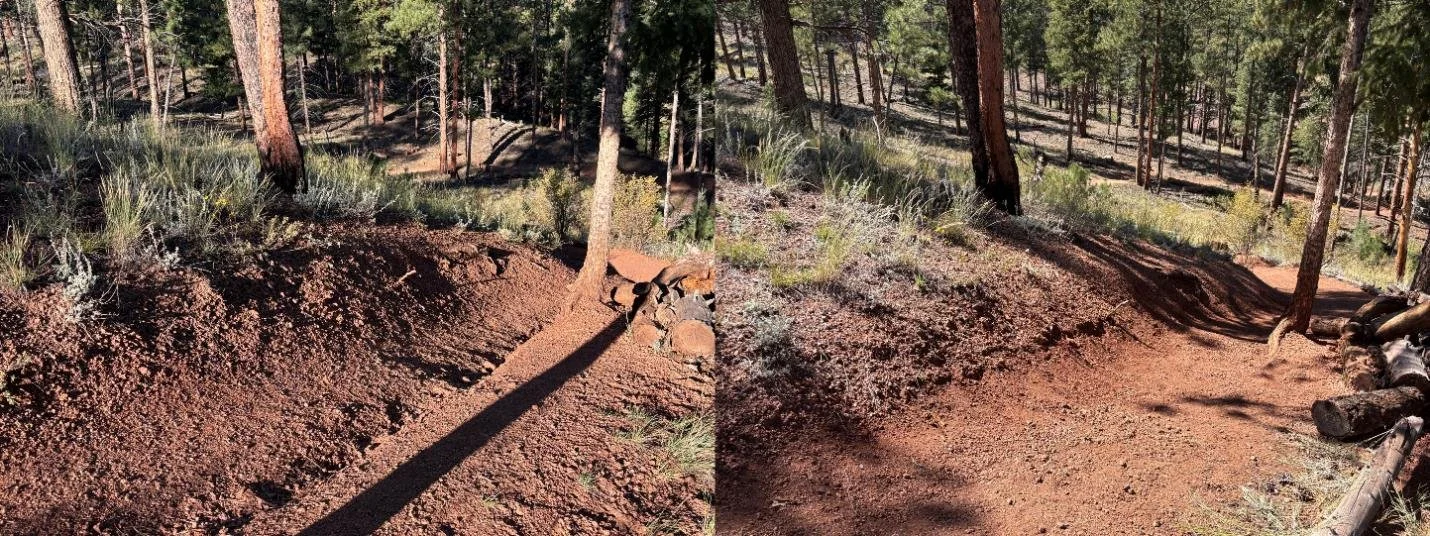
Figure 7: Before (left) and after (right) of tread refinement to remove rill. 5
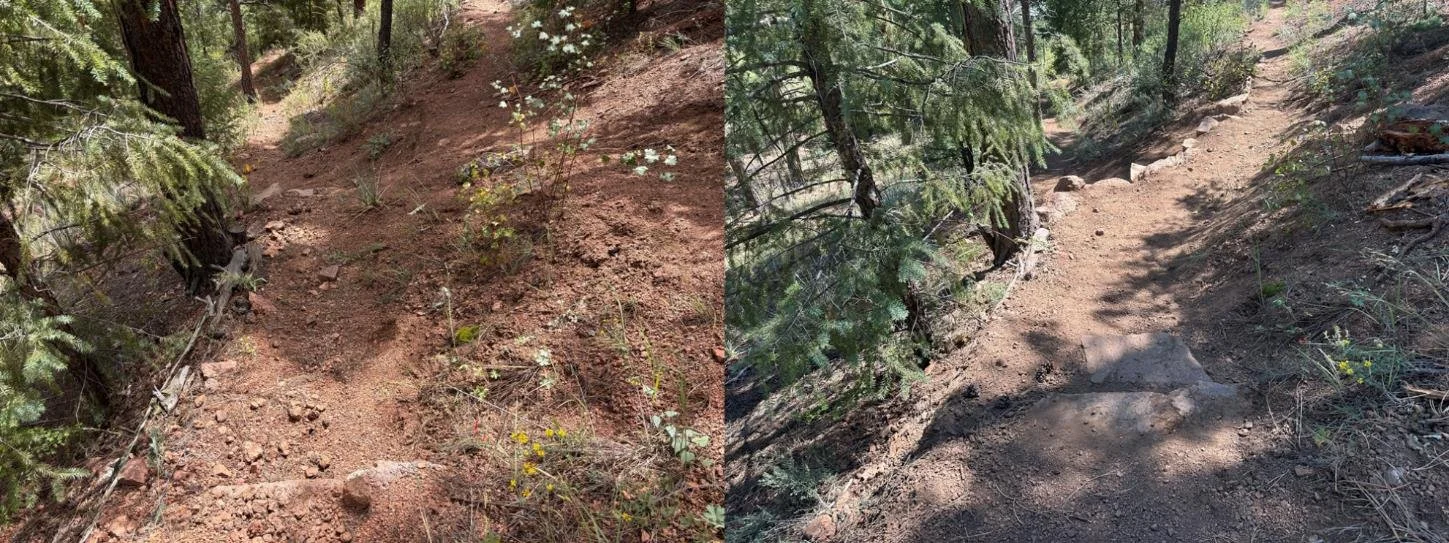
Figure 8: Before (left) and after (right) of new rock steps and trail delineation.
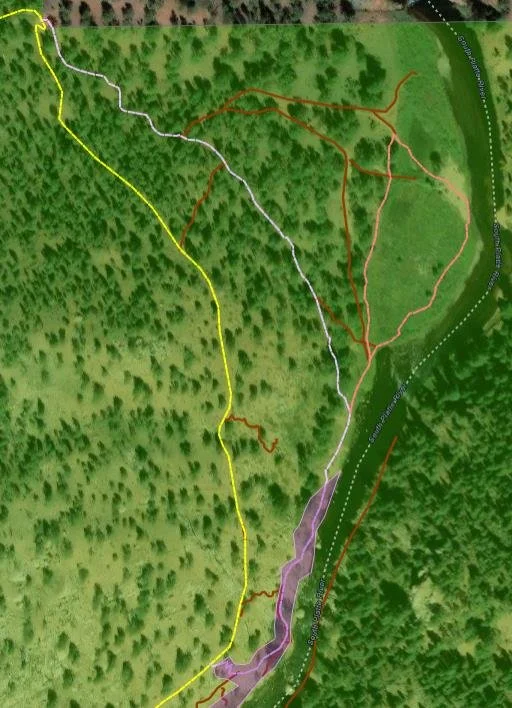
Figure 9: Map of Gill Trail focus area. Most of the trail work was completed along the trail segment colored light purple on the map. Social Trails are brown. 6
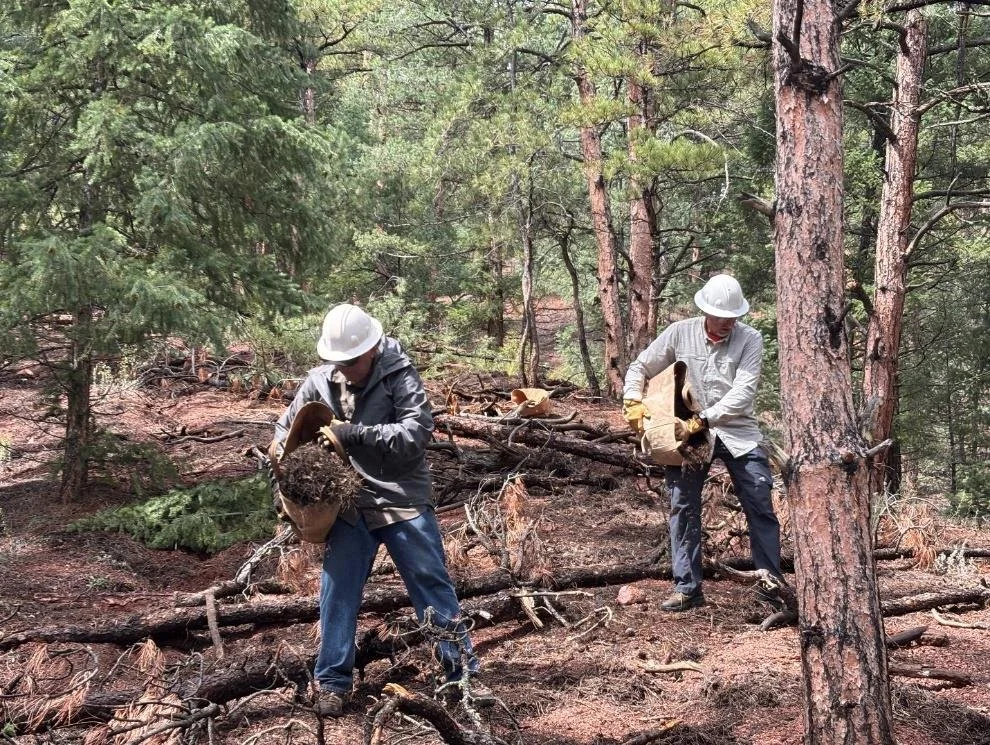
Figure 10: Volunteers restoring the social trail.
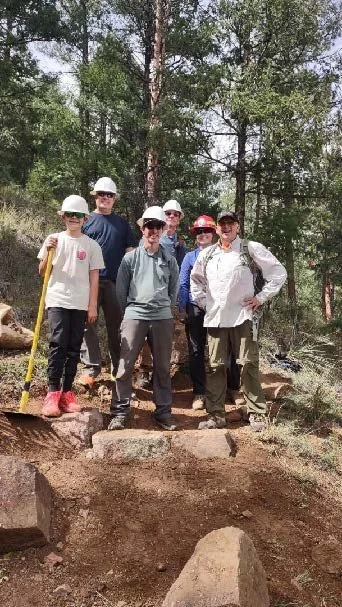
Figure 13: Volunteers posing with their completed rock step. 7
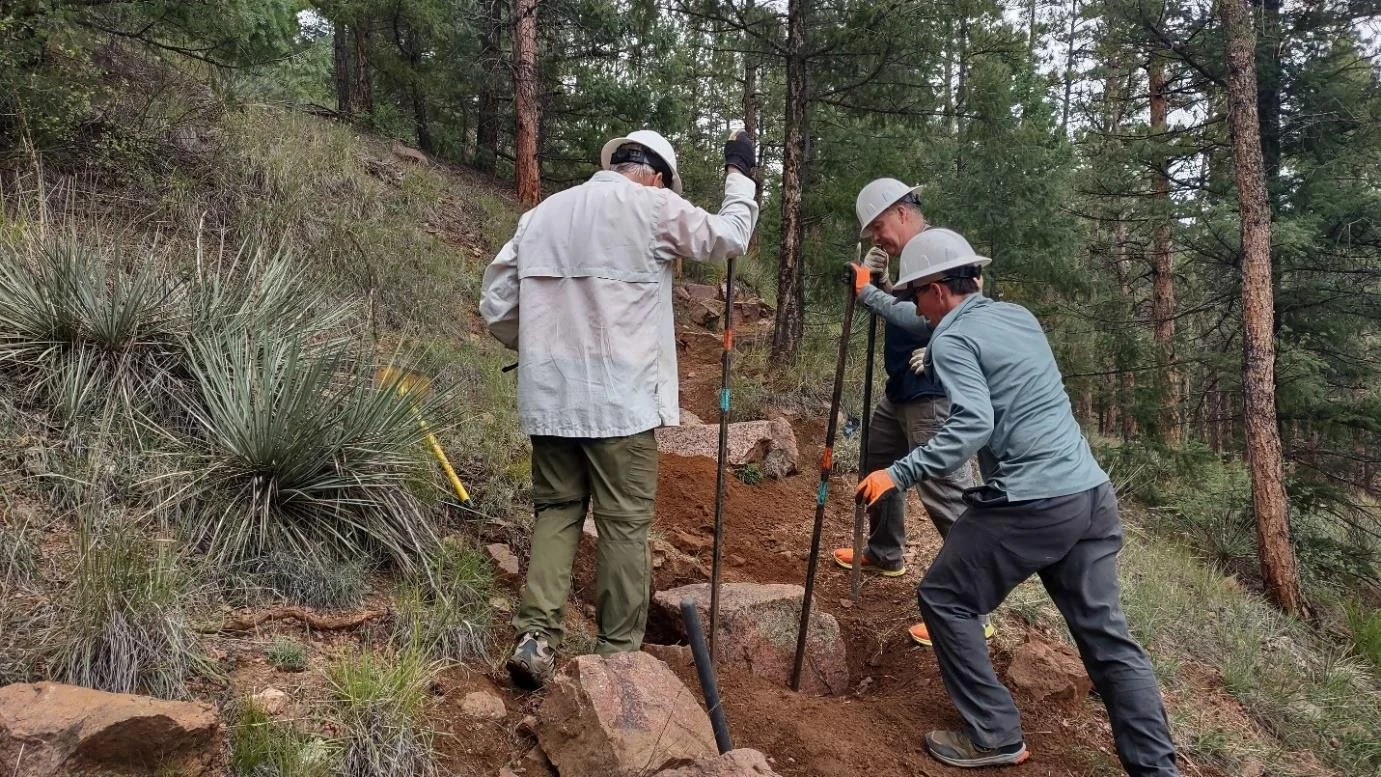
Figure 11: Volunteers building a rock step.
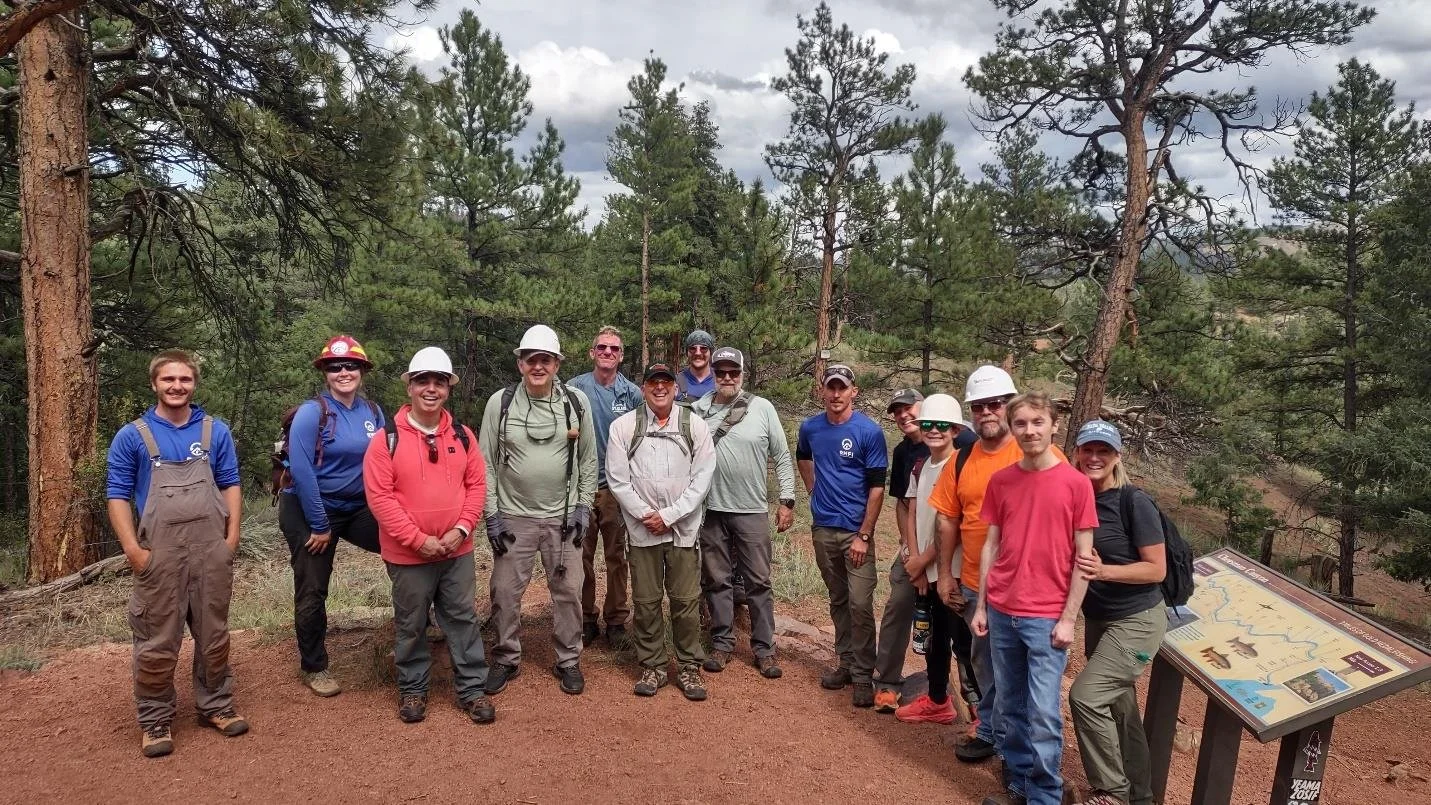
Figure 12: Volunteers during the community stewardship day.